
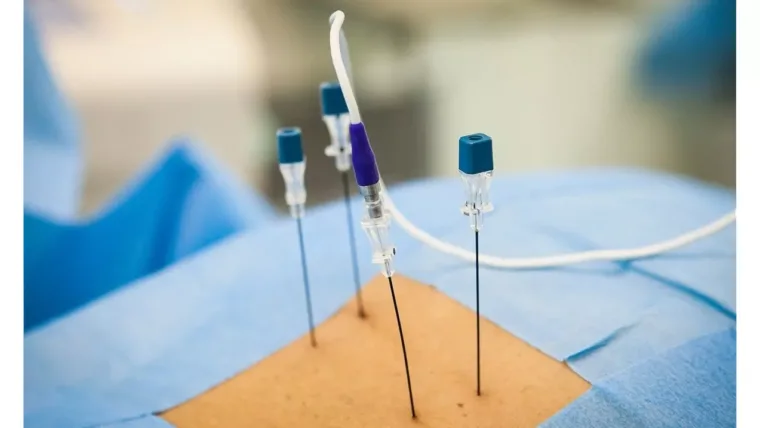
Minimally invasive treatment of back pain by targeting the nerves of the facet joints. How the procedure works, indications and results.
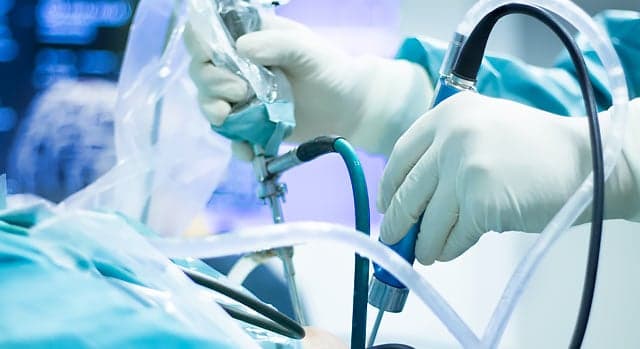
Minimally invasive surgery for a herniated intervertebral disc, performed under a microscope. Indications, procedure and recovery.
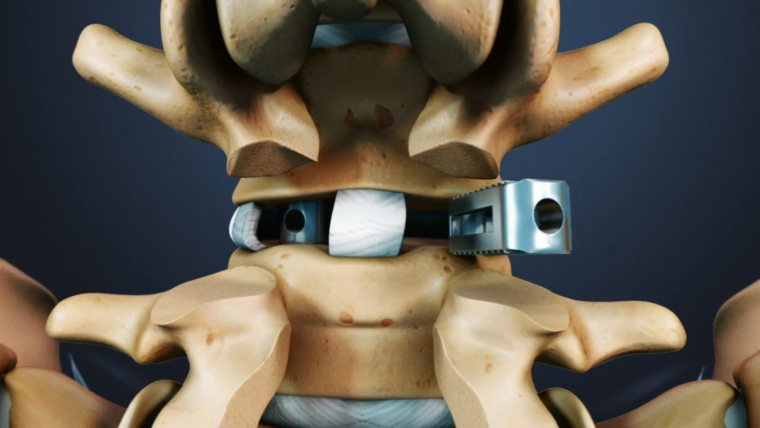
Stabilization of vertebrae with titanium implants for spinal stenosis and instability. Open and minimally invasive methods.
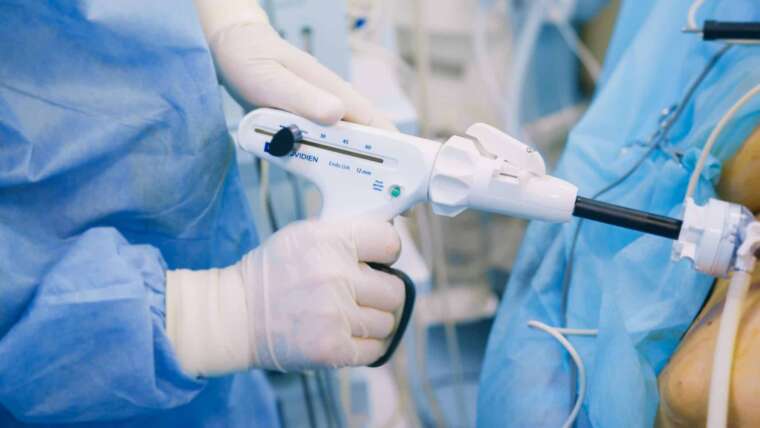
Modern spine surgery with minimal tissue trauma: endoscopic discectomy and vaporisation.
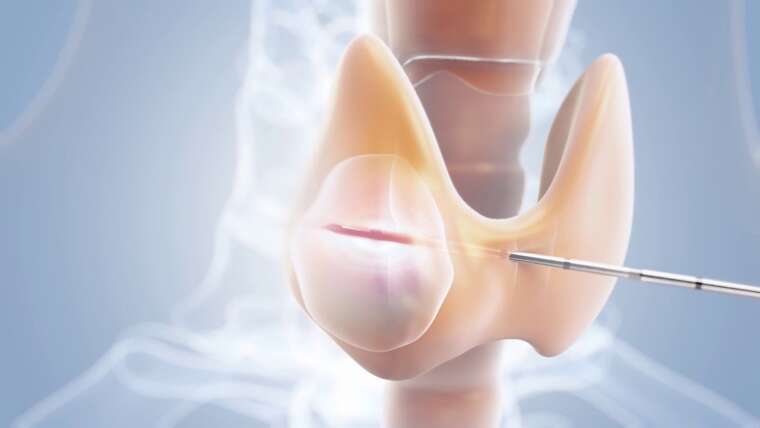
Minimally invasive pain relief for the lumbar spine in osteoarthritis. Outpatient, under local anaesthesia.
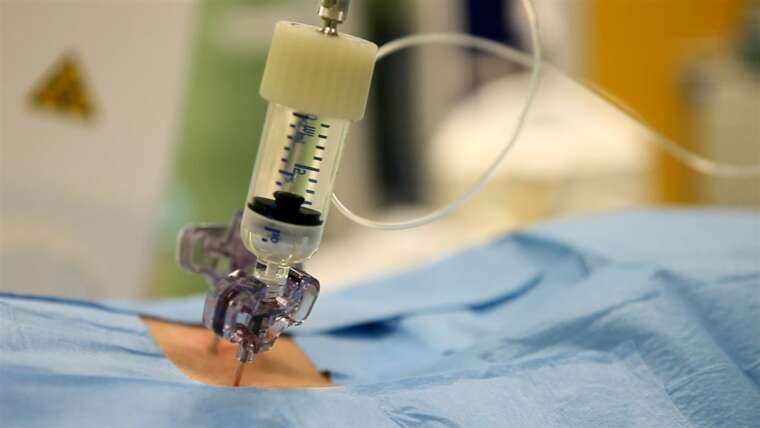
Minimally invasive treatment of compression vertebral fractures caused by osteoporosis. Outpatient, about 20 minutes.
Nutrition and types
What are the most common questions asked to a neurosurgeon in Zaporizhzhya?
1. Should you bother to see a neurosurgeon?
- Chronic back pain
- Strong pain in the ends
- The astringency of the name in the hand or in the nose
- The tightness of the arms and the weakness of the muscles
- Scoliosis of the ridge
- The extent of the effect of conservative treatment
3. What are the stages of healing?
- Transition of methods from simple to complex
- Hospital stay during the operation from 1 to 14 days or on an outpatient basis
- MRI control
- Rehabilitation is outpatient or inpatient for 2 to 6 days
2. What are the main diagnostic methods for back pain?
- MRI – magnetic resonance imaging 1.5 – 3 Tesla – visualization of the spinal cord, spinal cords, intercostal discs, ligaments, capsules of the cartilage
- CT – computer tomography – visualization of bone structures, spinal fractures, deformation of the spinal and spinal canals
- The final correction is installed in case of subsidence of clinical manifestations and MRI, CT data
4. What are the risk factors during surgery on the ridge?
- Heart-vascular insufficiency
- Nirkova lack of availability
- Decompensated diabetes
- Immunodeficiency
! VICTORY OF THE PATIENT IS NOT CONTRAINDICATED
Have questions?
Book an appointment by phone