Book a consultation+380 67 901 37 01
Book a visit

Peripheral nerve and spine operations in Zaporizhzhia

Microsurgery, percutaneous and endoscopic techniques - nine procedures, from a fifteen-minute nerve block to a multi-hour stabilisation of vertebrae with implants. You do not need to know in advance which one you need: I choose the method after the examination and the scans.

Removal of a herniated disc, decompression for spinal stenosis, spinal stabilisation, vertebroplasty for a vertebral fracture, nerve blocks and radiofrequency denervation for chronic pain - all of it is performed here, at the City Hospital of Emergency and Ambulance Care in Zaporizhzhia. Every page explains how the procedure goes, who it is indicated for and who it is contraindicated for, what anaesthesia is used, how long recovery takes and what this operation can be replaced with. One thing unites them: we move to surgery when there is no longer a way around it, not because the patient walked into a surgeon's office.
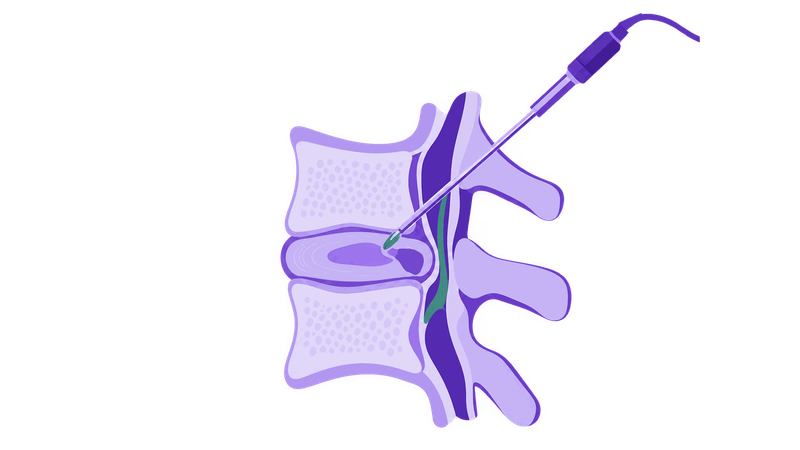
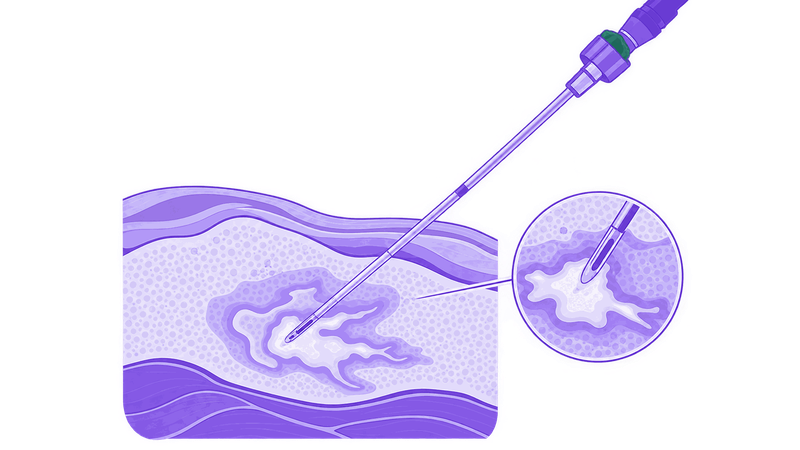
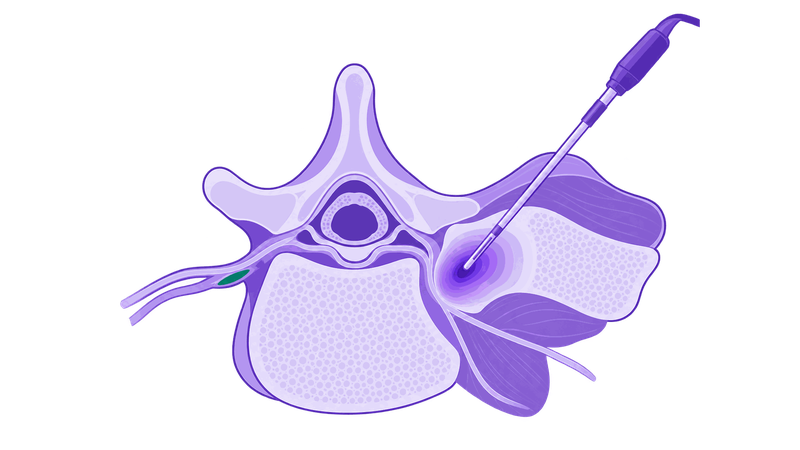
Microdiscectomy: a spinal segment in section, the working channel of the instrument

Microdiscectomy

Removal of a herniation through a two-centimetre incision under the microscope, about 3 days in hospital. Microdiscectomy in Zaporizhzhia - bring your MRI.

Who it suits Pain in the leg or the arm that has not settled in more than six weeks of proper treatment.
CONDITIONS I TREAT WITH IT
Read about the procedure
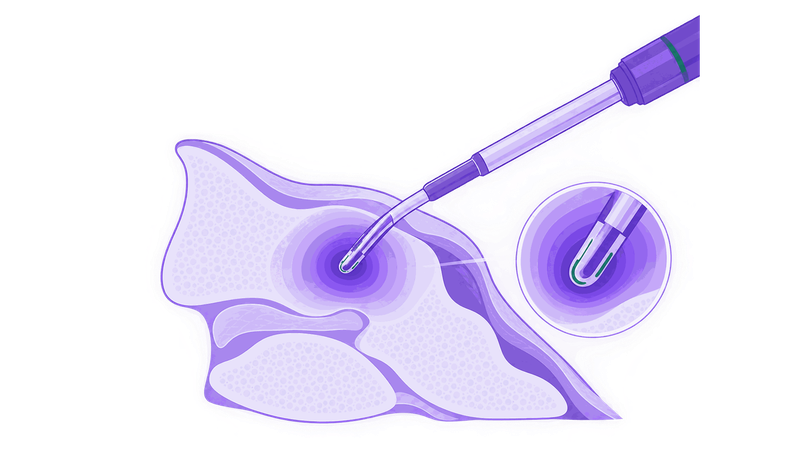
Nucleoplasty: the treated zone inside the intervertebral disc

Nucleoplasty

A needle inside the disc lowers the pressure and the bulge draws back. No incision and no general anaesthetic, for small herniations in Zaporizhzhia.

Who it suits A small herniation or protrusion confirmed on MRI, with the outer ring of the disc intact.
CONDITIONS I TREAT WITH IT
Read about the procedure

Preparation, anaesthesia, recovery

For those getting ready for a consultation or surgery: what to bring, how anaesthesia works, how long recovery takes.

MRI or CT How an MRI differs from a CT, which part to scan, whether your images are out of date and why a disc is needed rather than a report. From Zaporizhzhia. Preparing for surgery Which tests are needed, which medicines are stopped in advance, what to bring with you and how the day before surgery goes. From the neurosurgeon. Anaesthesia General, spinal or local - what the choice depends on, what the anaesthetist checks, whether anaesthesia is dangerous with heart disease or in old age. Duration and hospital stay How long the operation itself runs, how the admission day goes, how many nights on the ward after a microdiscectomy, a fusion or a percutaneous procedure. Recovery after surgery When to get up, drive, go back to work and to the gym, how long to wear a brace and which loads are off limits in the first weeks after surgery. Risks and age What really sets the risk - not age, but the heart, the vessels, the lungs and blood clotting. When surgery is justified and when it is declined.

Where to start

You do not know what exactly you need. That is normal. Most patients come not with the name of an operation but with a complaint: "my lower back hurts and it pulls down my leg", "my fingers go numb", "I cannot walk a hundred metres". Look at the Treatment section - it is organised around what troubles you, not around the name of a procedure.

What to do, in order:

  1. Scans first. What to do, and how much of it, is visible on an MRI or CT - not over the phone and not from a description of symptoms.
  2. Start with a consultation. Bring scans of the relevant part of the spine on a disc or a flash drive, no more than six months old, discharge summaries from previous treatment and an electronic referral from your family doctor, if you have one.
  3. Which part to scan. Pain and numbness in the arm - cervical. Pain pulling down the leg - lumbar. If you are unsure, I will tell you over the phone when you book.
  4. After the examination we will discuss what to do. Sometimes that means surgery; more often conservative treatment or a nerve block.
  5. The rest, on the call. Call, and I will tell you what to do next.

A diagnosis is not made remotely, over the phone or from a description of symptoms.

Neurosurgeon consultation in Zaporizhzhia with an electronic referral

You can see the neurosurgeon with an electronic referral from your family doctor. Here is how:

  1. Call your family doctor and ask for an electronic referral to a neurosurgeon.
  2. Call the number on this site and book a visit with neurosurgeon Dmytro Ivakhnenko - I try to answer the phone myself during consulting hours.
  3. Come on the appointed day with your MRI or CT scans on a disc or a flash drive - the images themselves, not the report. Patients are seen in order of appointment.
  4. If surgery is already on the table, say so during the call - then you will be seen without queueing.

A consultation is also possible without a referral.