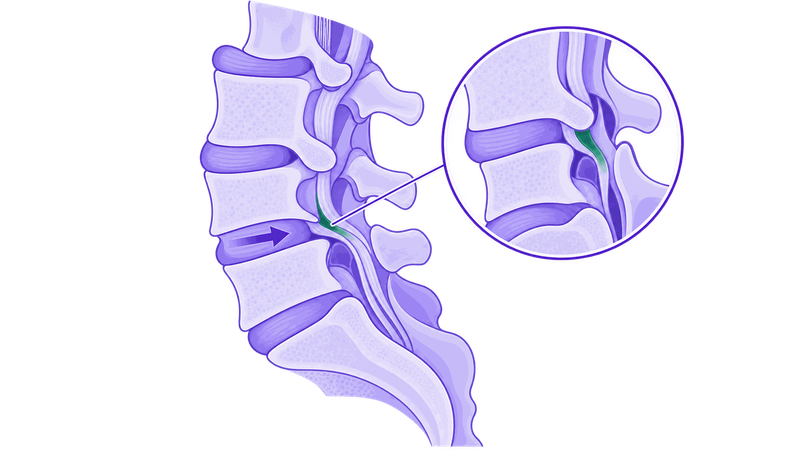
Leg pain, numbness, a weak foot. When a herniated disc is treated without surgery and when a microdiscectomy is needed. Disc treatment in Zaporizhzhia.
- Do not delay
- Disturbed urination or bowel control · Numbness in the groin and the inner thighs
Choose what is troubling you: low back pain radiating into the leg, numb fingers, a weak foot, neck pain shooting into the arm, an inability to walk a hundred metres without stopping. Every article covers what the person feels, when treatment without surgery is possible, when waiting is dangerous and which examinations to bring to the consultation.
Twelve conditions: from the common ones - herniated disc, spinal stenosis, facet syndrome, spondylolisthesis, vertebral fracture - to the rare ones, such as spondylodiscitis and peripheral nerve tumours. Each condition is linked to the procedures that treat it, and back again. Years of teaching at the medical university in Zaporizhzhia and daily practice have taught me to explain complex things in plain words. I wrote and signed every page of this section myself.
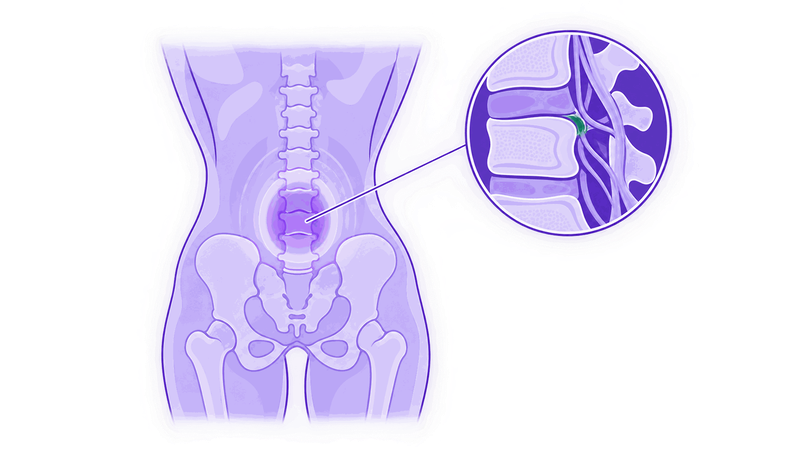
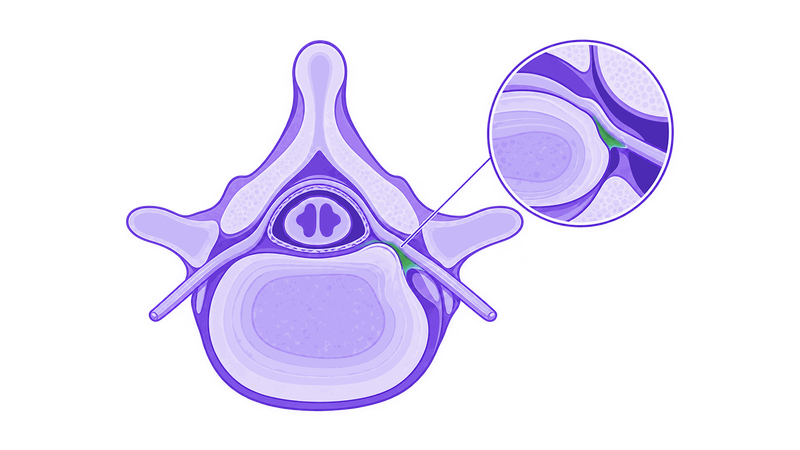
Leg pain, numbness, a weak foot. When a herniated disc is treated without surgery and when a microdiscectomy is needed. Disc treatment in Zaporizhzhia.
A sharp catch, a dull ache, morning stiffness, pain radiating into the leg. When no scans or surgery are needed and when the visit is urgent. Zaporizhzhia.
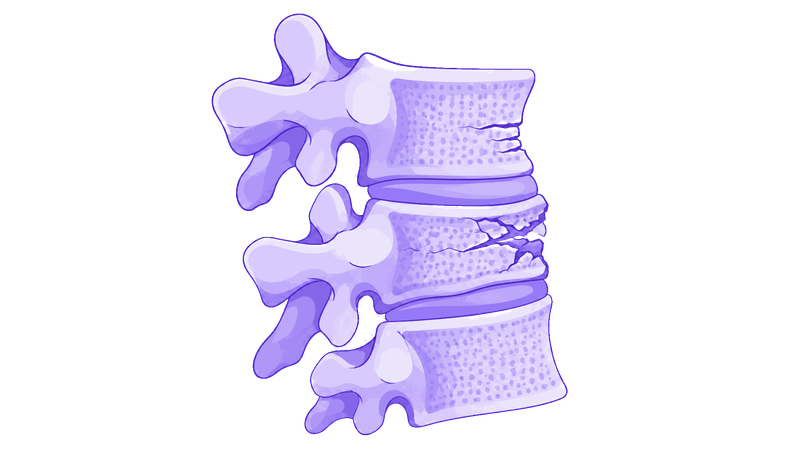
Sharp pain after a fall or from osteoporosis, turning over in bed is hard. A brace, vertebroplasty and spinal stabilisation in Zaporizhzhia.
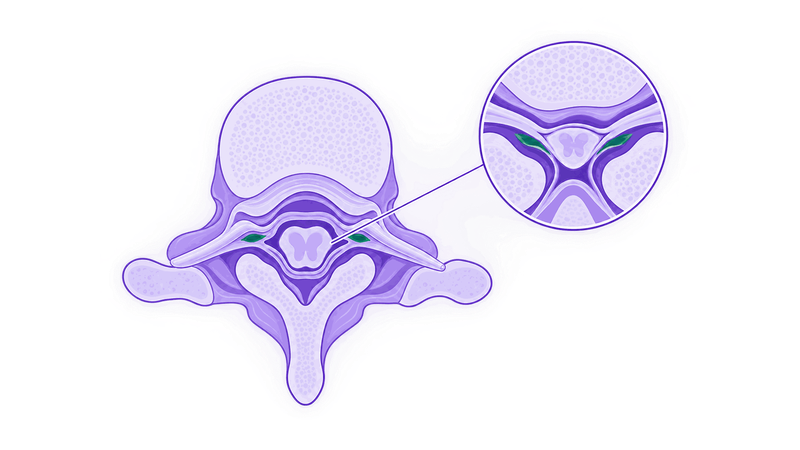
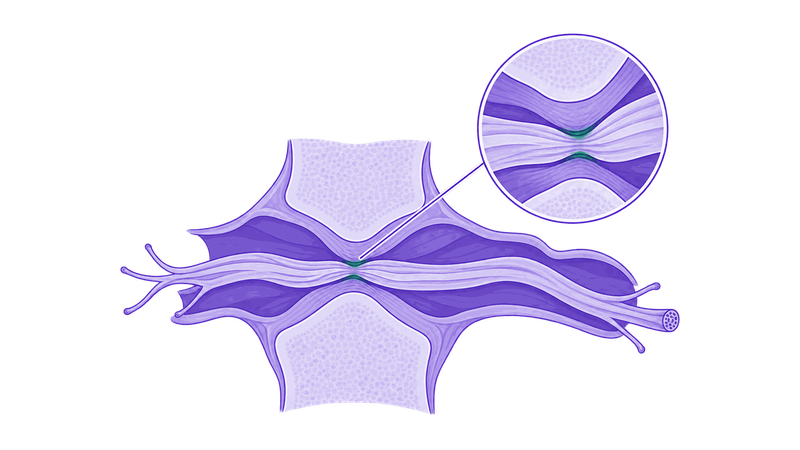
The legs go numb while walking and you stop after a hundred metres. Conservative treatment and canal decompression by a neurosurgeon in Zaporizhzhia.
Fingers go numb at night, the hand falls asleep, the grip weakens, things slip. When conservative treatment works and when surgery is needed. Zaporizhzhia.
Instability in the lower back, pain on standing up, radiating into the buttock and leg. A brace, exercise or fusion - treatment in Zaporizhzhia.
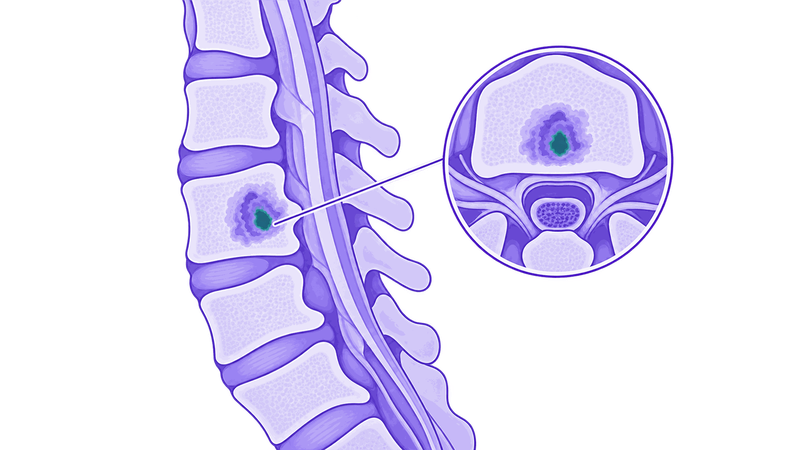
Pain independent of movement that wakes you at night and grows, weakness in the legs, weight loss. Work-up, tumour removal and fusion in Zaporizhzhia.
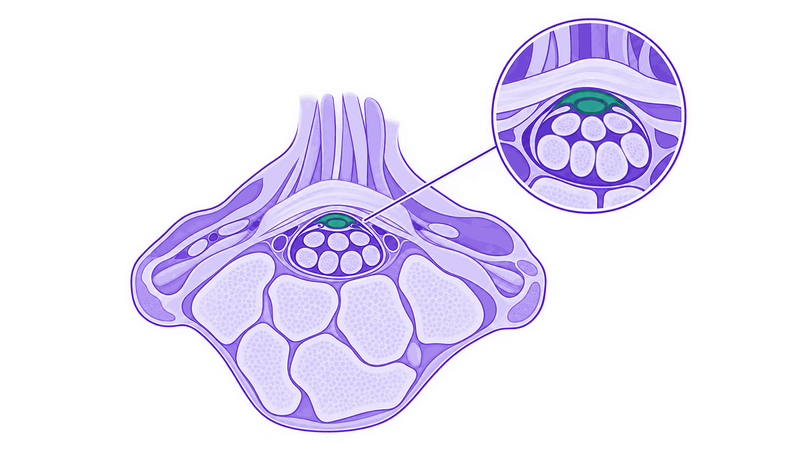
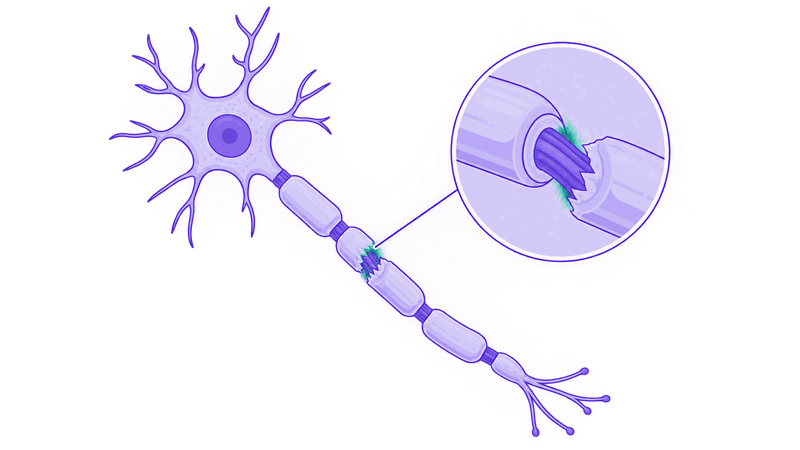
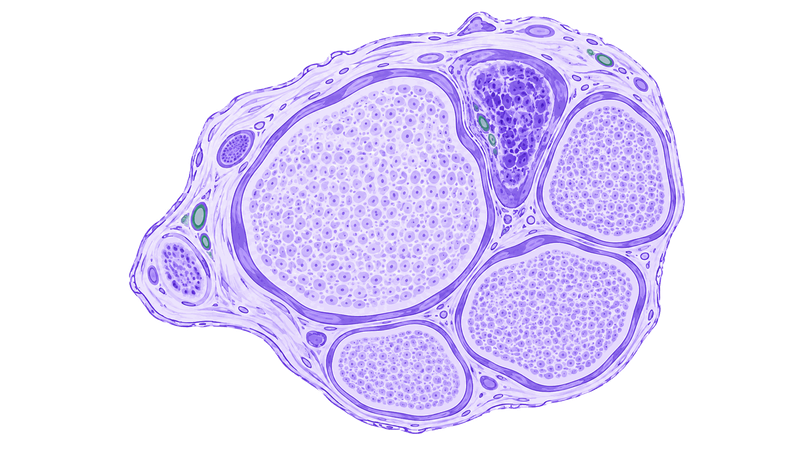
The hand or foot will not obey after a cut, a fracture or a cast, the skin loses sensation. The earlier the surgery, the better the result. Zaporizhzhia.
The little and ring fingers go numb, the hand weakens, fine movements suffer. Release of the nerve at the elbow or the wrist in Zaporizhzhia.
A firm lump under the skin that shocks along the nerve when pressed, numbness and weakness. Microsurgical removal with the nerve preserved in Zaporizhzhia.
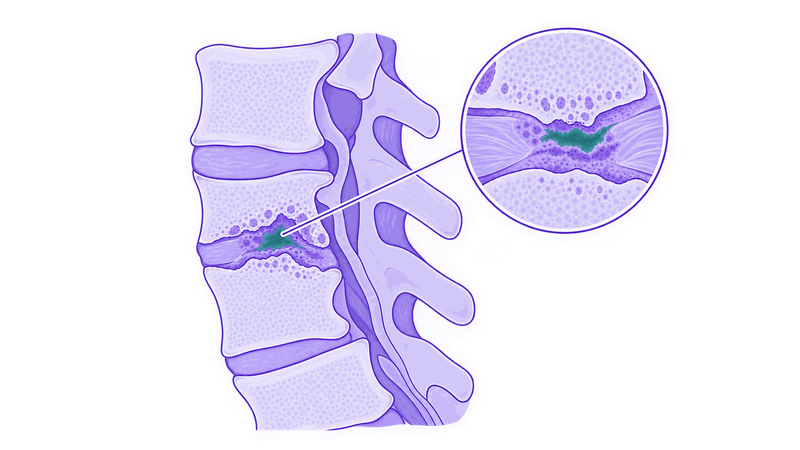
Constant back pain that does not ease at rest and wakes you at night, fever, weakness. Antibiotics, a brace or surgery - treatment in Zaporizhzhia.
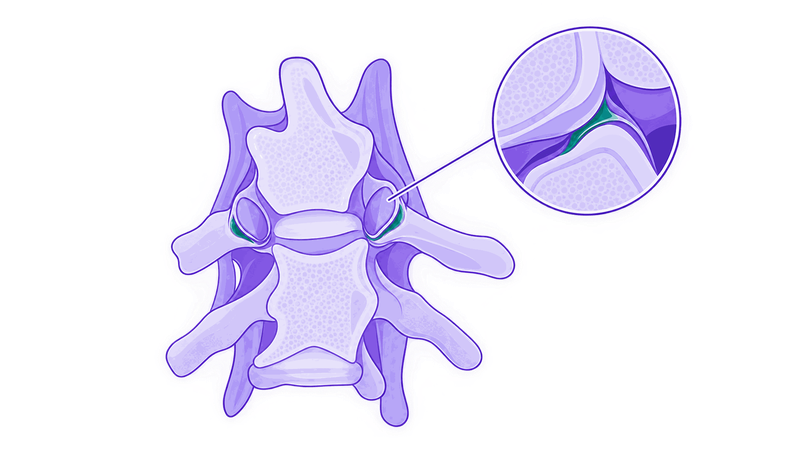
Pain on extension and twisting, morning stiffness, nothing below the knee. Nerve block, radiofrequency denervation and physical therapy in Zaporizhzhia.
For those getting ready for a consultation or surgery: what to bring, how anaesthesia works, how long recovery takes.
That is normal: most patients come not with a diagnosis but with a complaint - "my lower back hurts and it pulls down my leg", "my fingers go numb", "I cannot walk a hundred metres". The name of the condition is established at the consultation, after the examination and the scans.
When you call, describe what hurts and for how long. If you already have an MRI or CT, say when it was done.
Which doctor to see - a neurologist or a neurosurgeon. Start with a neurologist: they manage the conservative treatment that helps most people. You see a neurosurgeon when six weeks of treatment have not helped, when weakness in a leg or arm is increasing, or when the scan shows a compressed nerve. If you are unsure, call - I will tell you whether you need a surgeon at all.